

The Cost of SEO vs. The Cost of Doing Nothing
Aug 25th, 2026SEO has a clear price tag,but the real cost may be the customers, visibility and long-term growth your business is missing by doing nothing.
Read MoreDigital platforms such as TikTok, Facebook, Instagram and Twitter have significantly transformed the way consumers interact with brands and make purchasing decisions.
This pivot across social media algorithms has played a big role in changing consumer expectations and engagement behaviour, making it essential for brands to create personalised, relevant content that adds value.
With Covid-19 Pandemic lockdowns, engagement was top of mind for consumers which meant brands needed to entertain and add value. This caused a shift in standards and in what content types are prioritised on social.
As a result, many brands have started using TikTok style content across social media and algorithms have prioritised it. Short videos that are entertaining, educational, and engaging, have a higher chance of out-competing other content types. When a video goes viral, it can reach thousands of users within a short period, generating a massive amount of brand awareness and driving sales.
TikTok is one of the most popular short-form video platforms and uses artificial intelligence to curate content for each user based on their viewing history, interactions, and interests.
Facebook, with over 2 billion active users, is one of the largest social media platforms. Brands can use Facebook to create targeted ads and sponsored posts, engage with their customers through comments and private messaging, and share news, information, and entertainment.

Instagram, with over one billion active users, is known for its visual content, with users sharing photos and videos of their experiences, products, and services. Brands can use Instagram to create visually stunning content, engage with their followers through comments and direct messages, and promote their products through targeted ads.
Twitter is a microblogging platform that allows users to share short, 280-character messages. The platform has become a hub for news and information, making it a powerful tool for brands to share updates, promote their products, and engage with their audience. Brands can also use Twitter to monitor conversations about their brand and industry, and respond to customer inquiries and feedback

We help NZ businesses adapt their digital marketing and eCommerce presence to match how today’s customers actually buy.
The impact of social media algorithms on consumer behaviour cannot be overstated. These algorithms analyse data such as user behaviour, interests, and engagement to determine what content appears in users’ feeds. This means that brands need to create content that is relevant and engaging, and understand their customers’ preferences and pain points to reach their target audience.

Brands that can create personalised, relevant content that resonates with their audience will build strong relationships with their customers, drive sales, and stay ahead of the competition. Social media platforms provide a powerful tool to connect with your audiences, engage with customers, and promote products through targeted ads and sponsored posts.

SEO has a clear price tag,but the real cost may be the customers, visibility and long-term growth your business is missing by doing nothing.
Read More
If you have asked three different web companies for a quote, you have probably received three wildly different numbers.
Read More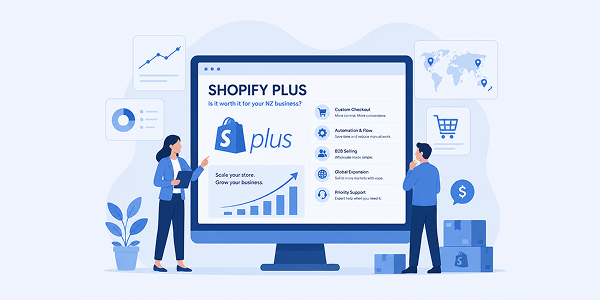
Shopify Plus is Shopify's enterprise tier, and it occupies an odd place in most NZ retailers' minds.
Read More


