
When Your AI Screws Up, Who Owns It?
Oct 19th, 2026When AI makes a mistake, who's responsible? Learn about AI accountability, business risks and how NZ companies can use AI responsibly.
Read More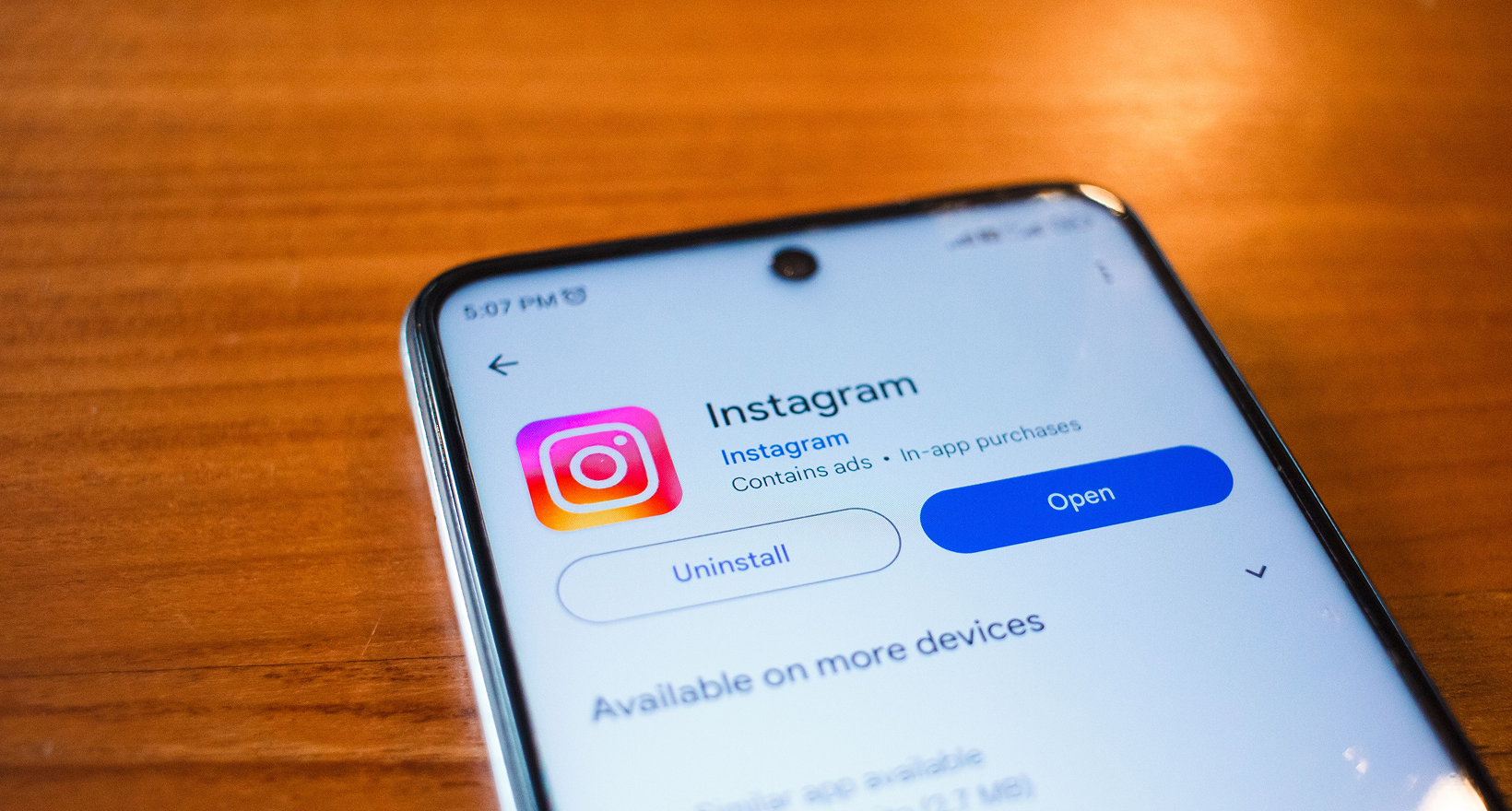
You Asked
We Answer
Instagram advertising sits in an odd blind spot for many NZ businesses. Google Ads feels obvious because people are actively searching. Facebook feels familiar. Instagram feels like something for fashion brands and cafes, so businesses that would genuinely benefit never seriously consider it.
That instinct is out of date. Instagram reaches a large share of New Zealand adults across a much wider demographic than it did five years ago, its ad formats have matured well beyond pretty pictures, and because it runs on Meta’s advertising system, it is one of the most measurable channels you can buy. Here is how it actually works, what it costs, and how to tell whether it belongs in your mix.
Instagram ads are bought through Meta Ads Manager, the same platform that runs Facebook advertising. You define an objective (awareness, traffic, leads, sales), an audience, a budget and creative, and Meta’s delivery system finds the people most likely to take your desired action across placements in the Instagram feed, Stories, Reels and Explore.
Two practical implications follow. First, you do not need a large Instagram following to advertise – ads reach non-followers by design, so a modest organic presence is no barrier to starting. Second, most campaigns perform best running across Facebook and Instagram together and letting the system allocate spend to whichever placement is converting, rather than treating the platforms as either/or. If you are weighing paid social against search more broadly, our comparison of Facebook Ads versus Google Ads covers when each makes sense.

Meta advertising is an auction, so there is no rate card, but for NZ campaigns in 2026, you can plan around typical costs per click in the range of roughly $1 to $3, and costs per thousand impressions from around $8 to $20, depending on your industry, audience and season. Competitive verticals and the pre-Christmas period sit at the top of those ranges.
More useful than any per-click figure is the budget question. Meaningful testing on Instagram starts at around $500 to $1,000 per month in ad spend for a local NZ business; below that, the system struggles to gather enough conversion data to optimise delivery. The metric that ultimately matters is not cost per click but cost per lead or sale, which is why conversion tracking through the Meta pixel and Conversions API must be in place before the first dollar is spent. Meta’s own Business Help Centre documents the setup, and it is the least glamorous, most important step in the entire channel.
Short vertical video is where Instagram’s attention lives, and Reels placements typically deliver the cheapest reach on the platform. The creative bar is specific: native-feeling, fast-opening video that looks like content rather than a television commercial. Polished production matters far less than a strong first two seconds.
Full-screen and ephemeral, Stories ads suit time-sensitive offers and direct-response campaigns. The swipe-up journey to a landing page is short, which makes it effective for promotions – provided the landing page holds up its end.
Still the reliable core for considered purchases. Carousels let you show a product range, walk through a process, or tell a before-and-after story, and consistently perform well for ecommerce and services alike.
For NZ retailers, catalogue-driven ads dynamically show people the specific products they viewed or are most likely to buy. Combined with remarketing, this is the machinery behind the uncannily well-timed product ads you see yourself, and it is available to any store with a properly connected product feed.
Instagram advertising earns its place when your buying decision has a visual component (products, spaces, food, results you can show), when your audience skews under 55, or when you sell direct to consumers. It performs for local service businesses more often than they expect, because precise geographic targeting means a Rodney builder or a Christchurch clinic pays only to reach their own catchment.
It is the wrong first channel when your buyers are narrowly professional (start with LinkedIn), when demand is purely search-driven and urgent – nobody scrolls Instagram looking for an emergency plumber – or when you have no capacity to produce visual creative at all. Channel choice should follow your customer, not the trend.

Almost every underperforming Instagram account we audit shares the same three problems. The creative is an adapted print ad rather than native content, so the algorithm serves it reluctantly, and users scroll past it. The campaign objective is wrong; awareness campaigns are being judged on leads they were never optimised to produce. And the click lands on a slow or generic page, so the budget buys traffic that never converts, a problem covered in depth in our conversion rate optimisation article.
The fix is the same discipline you would apply to any channel: a clear objective, tracked conversions, creative made for the placement, and a landing page that matches the promise of the ad. Instagram is not a slot machine; it is a measurable system that rewards being fed properly.
NZ Digital plans and manages Instagram advertising for businesses across New Zealand, from creative strategy and audience building through to conversion tracking and ongoing optimisation, as part of an integrated approach alongside SEO and search advertising.
If you want to know what Instagram could realistically deliver for your business – including an honest answer if it is the wrong channel for you – visit our contact page and let’s talk it through.
NZ Digital are a Auckland based digital marketing agency, we offer a wide range of done for you digital marketing and lead generation services. If you have more questions or would like to book a FREE Digital Marketing consult please schedule a call with us.

When AI makes a mistake, who's responsible? Learn about AI accountability, business risks and how NZ companies can use AI responsibly.
Read More
SEO is one of the most important long-term investments in digital marketing, but choosing the right agency can be difficult when so many promise the same results. The difference often comes down to transparency, strategy and the questions you ask before signing.
Read More
Performance Max gives businesses a way to reach customers across Google’s entire advertising network from one campaign, but its success depends heavily on strong tracking, enough conversion data and clear commercial goals.
Read More


