
When Your AI Screws Up, Who Owns It?
Oct 19th, 2026When AI makes a mistake, who's responsible? Learn about AI accountability, business risks and how NZ companies can use AI responsibly.
Read More
You Asked
We Answer
There is a shift happening in digital marketing right now that is making conversion rate optimisation more important than it has ever been. Organic traffic from Google is becoming harder to earn and hold. AI Overviews are answering questions directly in the search results. Paid advertising costs continue to rise. The amount of traffic available to most websites is either flat or declining.
In that environment, the businesses that win are the ones that get more value from every visitor who does arrive. That is exactly what conversion rate optimisation does.
Quick Links
Conversion rate optimisation, often shortened to CRO, is the process of improving your website so that a higher percentage of visitors take a meaningful action. That action might be filling out a contact form, making a purchase, downloading a resource, or calling your business.
It is not about driving more traffic. It is about making the traffic you already have work harder.
To put this in practical terms: if your website receives 5,000 visitors per month and converts at 1 per cent, you are generating 50 leads or sales. If you improve that conversion rate to 2 per cent without changing anything about your traffic, you double your results to 100. Same visitors, same ad spend, same SEO effort, twice the outcome.
That compounding effect is why CRO is one of the most commercially valuable activities in digital marketing. A business spending $3,000 per month on Google Ads that doubles its conversion rate effectively halves its cost per lead without touching the ad account.
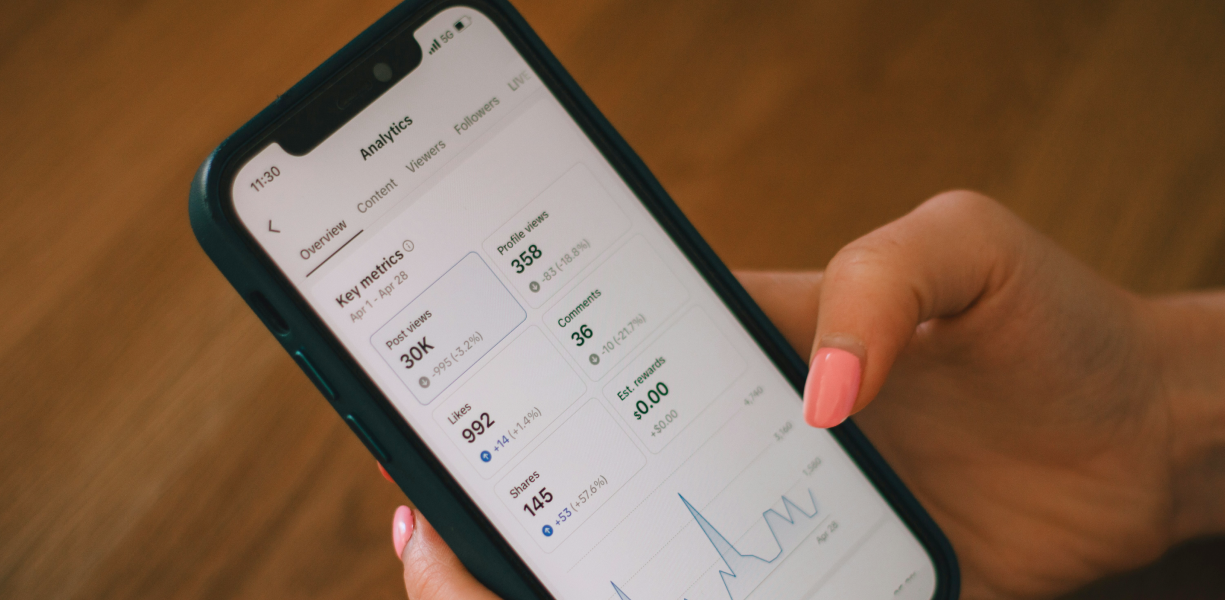
The digital landscape has shifted in ways that make every website visit more valuable than before.
Google’s AI Overviews now trigger on 48 percent of all tracked search queries according to BrightEdge’s 12-month analysis. When they appear, research from Ahrefs shows click-through rates for the top organic position drop by 58 percent. For informational queries, the trigger rate is between 80 and 88 percent depending on the industry.
That means even if your rankings are stable, your traffic from those rankings may be declining. Every visitor who does click through is more valuable than they were a year ago, because there are fewer of them.
The cost per click across Google Ads and Meta platforms has been trending upward consistently. The average cost per lead from Google Search campaigns in 2026 is around $70 NZD equivalent across industries. For NZ businesses running paid campaigns, every visitor that arrives and leaves without converting represents a direct cost. Improving your conversion rate reduces your effective cost per acquisition and stretches your advertising budget further.
The way people browse the web has changed. Mobile traffic dominates, attention spans are fragmented, and users are quick to leave a page that does not immediately answer their question or give them confidence. Research from Contentsquare shows that 57 per cent of shoppers will abandon a page that takes more than three seconds to load. On mobile connections especially, slow websites lose sales before the customer ever sees the product.
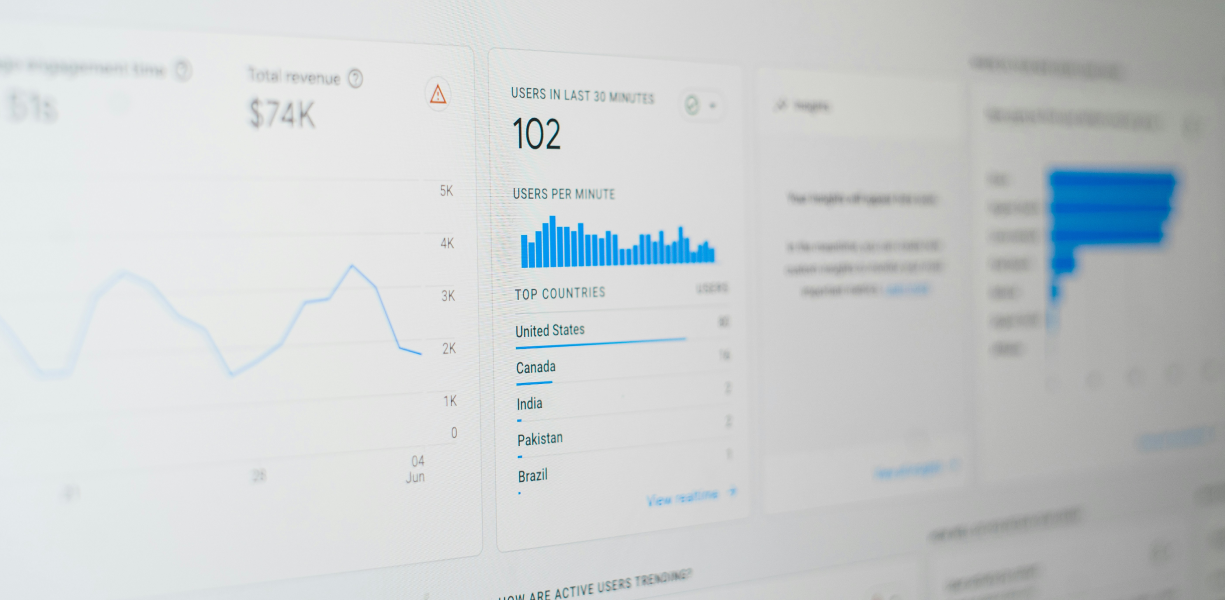
When someone arrives on your website, they make a decision within seconds about whether to stay or leave. If they cannot quickly understand what you do, who you do it for, and why they should care, they leave. This is one of the most common issues we see across NZ business websites. The homepage and key landing pages need to communicate your value proposition clearly and immediately.
Every important page on your website should have a clear next step. If your contact form is hidden at the bottom of a long page, or if there is no compelling reason for someone to take action right now, you are leaving conversions on the table. The most effective pages make the next step obvious and easy.
The majority of web traffic in New Zealand now comes from mobile devices. If your website was designed primarily for desktop and then adapted for mobile, the experience often suffers. Small tap targets, text that requires zooming, forms that are difficult to complete on a phone, and slow loading times on mobile connections all reduce conversion rates. 2026 data shows a gap of around 15 percentage points between mobile and desktop abandonment rates.
New Zealand consumers are cautious online buyers. Reviews, testimonials, case studies, clear contact information, and visible professional credentials all contribute to the trust signals that influence whether someone converts or clicks away. Research shows that products and services with 11 to 30 reviews see approximately 68 percent higher conversion rates than those with none. If your website is missing these signals, some of your potential customers are quietly leaving.
This is particularly important for businesses running Google Ads or Facebook Ads. If someone clicks an ad promoting a specific service and lands on a general homepage, the disconnect between their expectation and the page they see creates friction. High-performing campaigns send traffic to specific landing pages that match the intent of the ad. Better landing page alignment alone can lift conversion rates significantly without changing anything else in the account.
Effective CRO is not guesswork. It follows a structured process built on data.
It starts with understanding how people currently use your website. Where do they land? Where do they leave? Which pages have the highest exit rates? What does the user journey look like from first visit to conversion? Tools like Google Analytics, heatmaps, session recordings, and user testing all provide insight into what is working and what is not.
From that data, you form hypotheses about what changes might improve conversion rates. These might include rewriting a headline, simplifying a form, repositioning a call to action, adding testimonials, improving page speed, or redesigning a key landing page.
Those changes are then tested. The most rigorous approach is A/B testing, where two versions of a page are shown to different visitors and the results are compared. For websites with lower traffic volumes, before-and-after testing with clear measurement can also be effective.
CRO is not a one-time project. The most effective approach is ongoing: a continuous cycle of analysis, hypothesis, testing, and implementation that gradually improves performance over time.
Conversion rate optimisation amplifies the results of everything else you are doing in digital marketing. Better conversions mean your SEO delivers more leads from the same rankings. Your paid campaigns generate more results from the same budget. Your email marketing drives more action from the same list. And your remarketing campaigns bring back visitors who are more likely to convert when they return.
That is why we often recommend CRO as one of the first areas to address when a business feels like their digital marketing is not delivering. Before investing more in traffic, it is worth making sure your website is converting the traffic it already has.
NZ Digital provides conversion rate optimisation services for businesses across New Zealand. We work with your existing website to identify the highest-impact improvements, test changes methodically, and deliver measurable lifts in performance.
If you are getting traffic but not enough conversions, the best starting point is a conversation. Visit our contact page and let’s talk about what your website could be doing better.
NZ Digital are a Auckland based digital marketing agency, we offer a wide range of done for you digital marketing and lead generation services. If you have more questions or would like to book a FREE Digital Marketing consult please schedule a call with us.

When AI makes a mistake, who's responsible? Learn about AI accountability, business risks and how NZ companies can use AI responsibly.
Read More
SEO is one of the most important long-term investments in digital marketing, but choosing the right agency can be difficult when so many promise the same results. The difference often comes down to transparency, strategy and the questions you ask before signing.
Read More
Performance Max gives businesses a way to reach customers across Google’s entire advertising network from one campaign, but its success depends heavily on strong tracking, enough conversion data and clear commercial goals.
Read More


