


How Much Do ChatGPT Ads Cost in NZ? A 2026 Guide for Businesses
Nov 11th, 2026Learn how pricing for ChatGPT ads works, recommended budgets and whether ChatGPT advertising is worth it for your business.
Read MoreFacebook ads are a great way to get in front of potential customers online. Here’s what you need to know.
By extending your reach and harnessing the power of Facebook’s demographic targeting, you can significantly improve your engagement and conversions. Here’s what you need to know before getting started with Facebook Ads. This guide explains how Facebook ads work in 2026, what they cost in New Zealand and how to set up your first campaign.
Facebook and Instagram remain two of the most used social platforms in New Zealand. Because Meta owns both, a single campaign can reach older audiences on Facebook and younger audiences on Instagram, with one budget and one set of reporting.
The old rule that limited how much text an ad image could contain has been retired, but ads with clear, simple visuals and short copy still tend to perform better.
For Instagram specifically, see our guide to Instagram advertising in NZ.

There are many benefits to setting up Shopping Ads via Google Merchant Center.

Our Facebook Ads specialists build and manage campaigns designed to reach the right audience, at the right time, with the right message.
You can set up different ad formats, depending on what you want to achieve:

Every time someone scrolls Facebook or Instagram, Meta runs an auction to decide which ads to show them. The winner is not simply the highest bidder. Meta weighs three things: your bid, how likely the person is to take the action you want, and the quality of your ad. That is why a relevant, well made ad can beat a competitor with a bigger budget.
You usually pay per 1,000 impressions, and for some goals you can pay per click or per result. When a campaign starts, Meta’s delivery system goes through a learning phase, usually about a week, while it works out who responds. Avoid big changes to budget, audience or creative during that period.
Facebook ads give businesses of every size the same set of tools:
There is no fixed price. What you pay depends on your audience, your goal, the time of year and how good your ads are. You set a daily or lifetime budget, and Meta will not spend more than that. Costs usually rise in busy periods such as Black Friday and the lead up to Christmas, when more advertisers compete for the same people.
As a guide, [typical NZ cost per click, cost per lead and minimum recommended monthly test budget, with the date range]. For most small businesses, a test budget of [amount] a month for at least four to six weeks is enough to learn what works.
Judge Facebook ads on cost per lead or return on ad spend, not on clicks alone.
Google Ads reach people who are already searching for what you sell. Facebook ads reach people who are not searching yet, based on who they are and what they are interested in. Google Ads is usually better for capturing existing demand, and Facebook ads for creating it. Many NZ businesses use both, with Facebook and Instagram retargeting people who first found them on Google. To learn more, read here.
Start with a test budget you can sustain for at least four to six weeks, then scale what works.
Often, yes. You can start small, target locally and measure every dollar. They work best with good tracking and a clear offer.
Expect a learning phase of about a week, and four to six weeks of data before judging a campaign.
Boosting is a simplified ad created from your page, with fewer options. Ads Manager gives you full control over objectives, targeting, placements and reporting.
Yes. Instagram is included as a placement in Ads Manager, so one campaign can run on both.
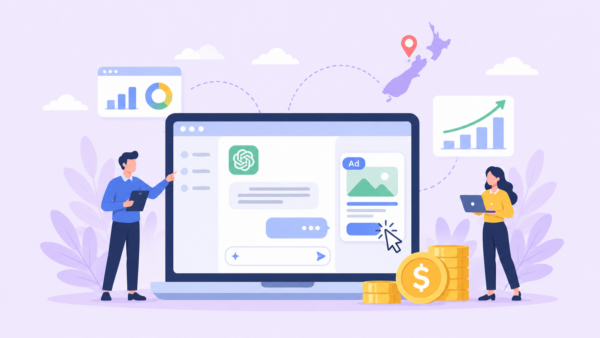
Learn how pricing for ChatGPT ads works, recommended budgets and whether ChatGPT advertising is worth it for your business.
Read More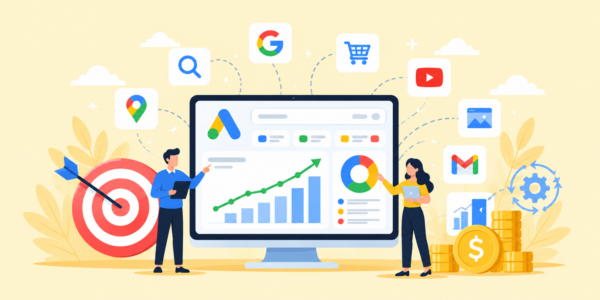
AI is changing how customers find and choose businesses online. New research suggests that while small businesses are increasingly focused on AI visibility, many could be overlooking the foundations that help them get discovered in the first place. Here's what New Zealand businesses need to know.
Read More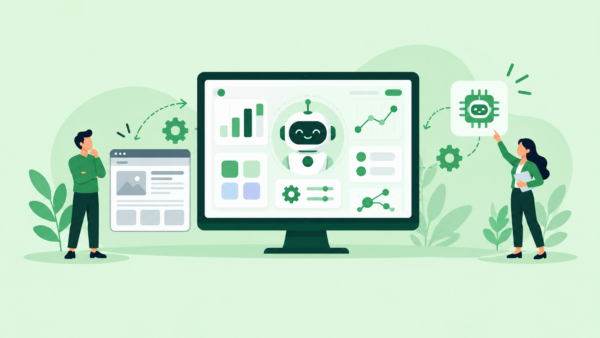
When AI makes a mistake, who's responsible? Learn about AI accountability, business risks and how NZ companies can use AI responsibly.
Read More


