
What Is an SEO Audit and Does Your NZ Website Actually Need One?
Jul 25th, 2026SEO pricing in New Zealand is genuinely confusing, and the confusion is not an accident.
Read More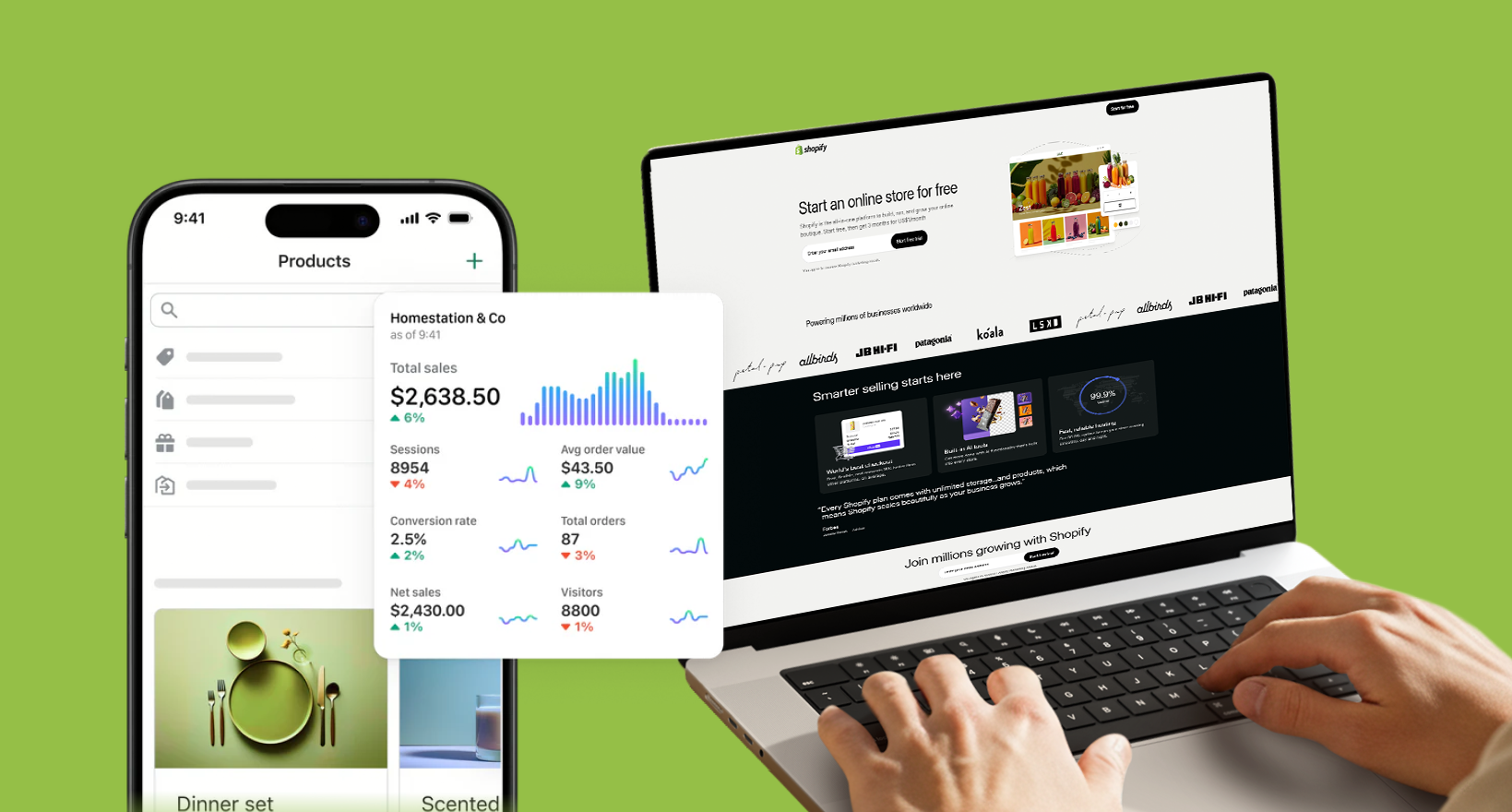
Getting traffic to your Shopify store is one problem. Getting that traffic to actually buy something is another.
A lot of NZ businesses invest in a well-designed Shopify website and then wonder why the conversion rate is lower than expected. The store looks good. The products are solid. But the sales are not where they should be.
The truth is, conversion rate is not mainly about design. It is about whether the store makes it easy and convincing for someone to buy. And that comes down to a handful of specific things, most of which can be improved without rebuilding the store from scratch.
According to Shopify’s own data, the average e-commerce conversion rate sits between 2.5 and 3 percent of all sessions. That means for every 100 people who visit your store, two to three make a purchase. Shopify notes that stores above 3 percent are already among the very best-converting online stores.
For context: Shopify’s data includes many new or early-stage stores that lower the overall average. If you are running an established store with consistent traffic, benchmarking against the top performers in your category gives you a more useful target.
The good news is that even a small improvement in conversion rate has a compounding effect on revenue. A store generating $50,000 per month at one per cent conversion that improves to two per cent doubles its revenue from the same traffic. That is the leverage that makes conversion rate optimisation one of the highest-impact growth strategies available to any e-commerce business.
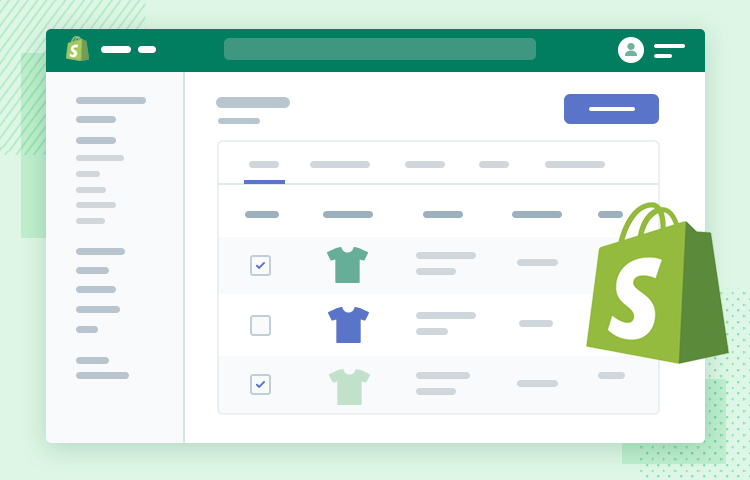
Most Shopify store conversions are won or lost on the product page. When someone lands there, they are asking a series of questions before committing to buy:
A product page that leaves any of those questions unanswered creates hesitation, and hesitation leads to abandonment. The fix is usually not a redesign. It is better product photography, a clearer description, visible reviews, a transparent returns policy, and a sizing guide where relevant. Research shows that products with 11 to 30 reviews see approximately 68 percent higher conversion rates than those with none.
The majority of online shopping now happens on mobile. And yet mobile shoppers abandon their carts at significantly higher rates than desktop users. 2026 data shows a gap of around 15 percentage points between mobile and desktop abandonment rates.
Small buttons that are hard to tap, text that requires zooming, and a checkout process that is awkward on a phone screen are all friction points that are invisible on a desktop preview but obvious to a customer trying to buy on their phone.
A mobile-first approach to Shopify design starts with the phone experience and builds from there, rather than shrinking a desktop design down to fit.
Site speed has a direct impact on conversion rates. Research from Contentsquare shows that 57 per cent of shoppers will abandon a page that takes more than three seconds to load. On mobile connections especially, slow Shopify stores lose sales before the customer ever sees the product.
Common causes in Shopify stores include too many installed apps that add code to every page, unoptimised product images, and themes with excessive scripts. Addressing these technical issues often produces an immediate lift in both conversion rate and organic search rankings.
Cart abandonment is one of the biggest revenue leaks in eCommerce. According to the Baymard Institute, which has calculated this figure from over 50 independent studies, the global average cart abandonment rate is 70.22 percent. That means roughly seven out of every ten shoppers who add something to their cart leave without buying.
The top reasons are addressable. Baymard’s research shows 39 percent of shoppers abandon because of unexpected extra costs like shipping revealed at checkout, and 18 percent leave because the checkout process is too long or complicated.
Reducing checkout friction means being transparent about costs early, offering guest checkout, providing multiple payment options, and making the process as short as possible. Recovering abandoned carts through timely email reminders, retargeting ads, and clear incentives helps bring users back to complete their purchase.
New Zealanders are experienced online shoppers. They know what to look for, and they are cautious about buying from stores they have not used before. Trust signals matter.
Customer reviews, star ratings, clear contact information, visible returns and refund policies, and a professional store design all contribute to the feeling that a store is legitimate and safe to buy from. If your store is missing these signals, some of your potential customers are quietly clicking away.
All of the above assumes you are getting traffic in the first place. If traffic is the problem rather than conversion, the answer is a different set of activities.
For product-based businesses,
This requires a properly configured product feed and ongoing campaign management, but when it is set up correctly, it is consistently one of the strongest performing paid channels for NZ eCommerce stores.
Organic search is slower to build but sustainable once it is working.

A Shopify website is not a set-and-forget project. The stores that perform best are treated as ongoing systems continuously tested, improved, and optimised as more data becomes available about what works and what does not.
That means the team you work with needs to understand both the technical side of Shopify builds and the commercial side of eCommerce performance. Design alone is not enough. You need people who can connect your store’s performance to your business goals.
The NZ Digital team builds and optimises Shopify websites for businesses across New Zealand, from initial design and development through to ongoing conversion rate improvements and paid traffic management.
NZ Digital are a Auckland based digital marketing agency, we offer a wide range of done for you digital marketing and lead generation services. If you have more questions or would like to book a FREE Digital Marketing consult please schedule a call with us.
SEO pricing in New Zealand is genuinely confusing, and the confusion is not an accident.
Read More
SEO pricing in New Zealand is genuinely confusing, and the confusion is not an accident.
Read More
Instagram advertising sits in an odd blind spot for many NZ businesses. Google Ads feels obvious because people are actively searching.
Read More


